
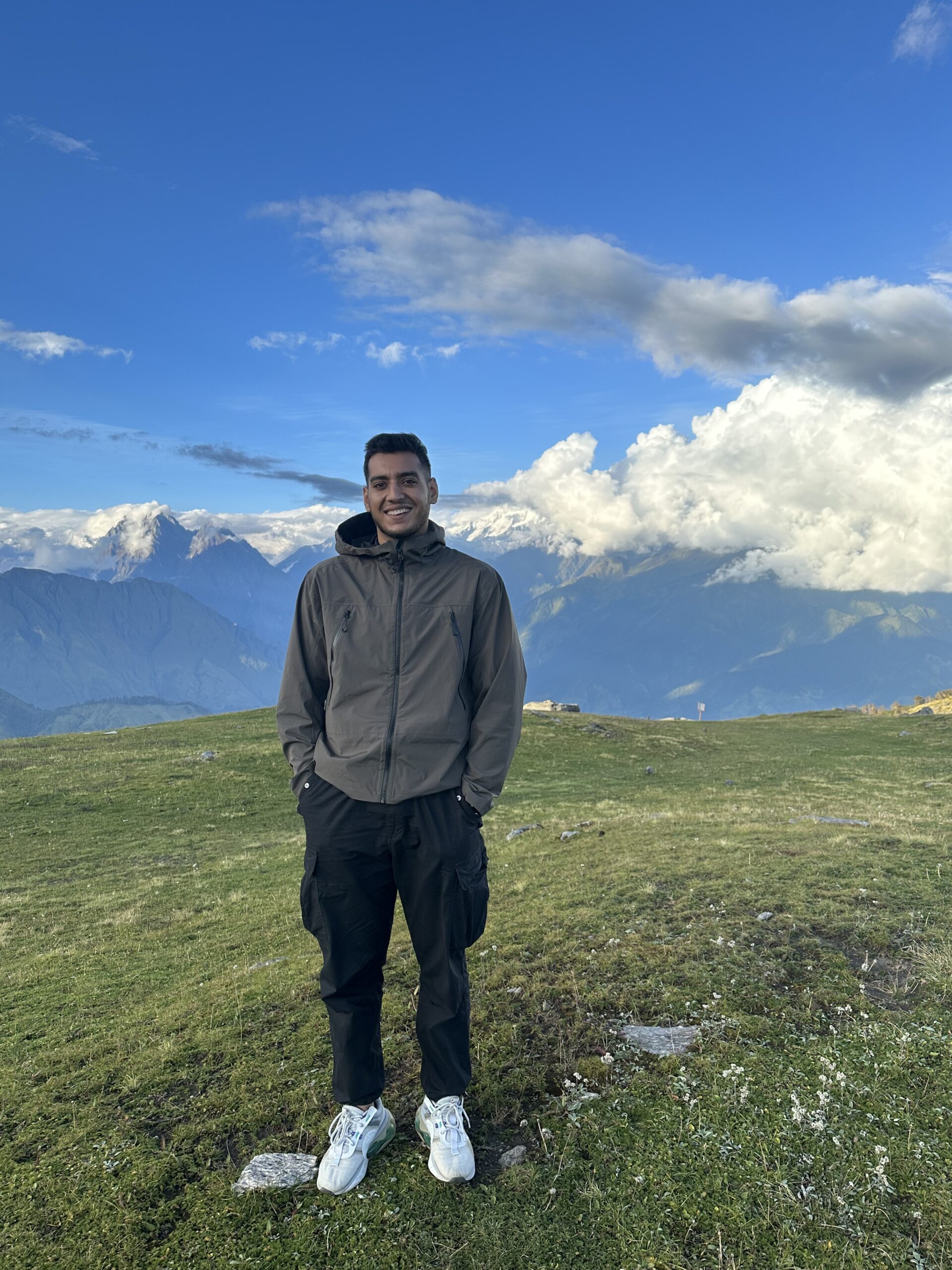
1. Manali

When winter rolls into Manali, it doesn’t just bring snow—it brings magic. Fluffy white flakes coat pine trees, rivers turn to crystal, and the crisp air smells like woodsmoke and wanderlust. Whether you’re looking to ski, snuggle, or simply soak in the silence of snow, Manali in winter is a world apart.
Here’s everything you need to plan your snowy escape to one of Himachal’s most beloved hill towns.
When to Visit Manali in Winter
Winter Season: Late November to early March
-
Best for Snowfall: December to February
-
Coldest Month: January (can dip to -5°C or lower)
-
Ideal Duration: 4–6 days
Top Winter Experiences in Manali
1. Snow Adventures in Solang Valley
-
Activities: Skiing, snowboarding, snow tubing, zorbing, and ATV rides
-
Tip: Arrive early to beat the rush. Gear can be rented on-site.
“With snow crunching under your boots and peaks shining above, Solang in winter feels like stepping into a Himalayan postcard.”
2. Rohtang Pass (If Accessible)
-
Note: Often closed from December to March due to heavy snow. Check with local authorities.
-
If open (early winter or via snow scooters): a surreal, white-washed world at 13,000 ft.
3. Warm Up in a Vashisht Hot Spring
-
Natural hot sulphur springs located 6 km from Manali
-
Perfect to unwind after a snowy day
-
Available in public and private bathing areas
4. Explore Old Manali in Winter Calm
-
Cobbled streets, riverside cafés with fireplaces, and mountain-chic shops
-
Quieter than peak seasons—ideal for slow travelers and romantic getaways
5. Café Culture in the Cold
-
Top Cozy Cafés:
-
Café 1947 (by the river, warm and intimate)
-
The Johnson’s Café (fireplace, local trout)
-
Drifter’s Inn (good coffee + board games)
-
6. Stay in a Snowy Wooden Cottage
-
Recommended Stays:
-
Shivadya – A Boutique Hotel
-
The Himalayan – Victorian castle-like retreat
-
Backpackers: Zostel Manali or The Hosteller (Old Manali)
-
“Waking up in a snow-covered cottage, sipping chai as the mist curls around the hills—that’s Manali’s real winter luxury.”
Must-Visit Places Around Manali in Winter
-
Naggar Castle: A short drive, with great views and quiet snowy charm
-
Sissu (via Atal Tunnel): Snowy wonderland in Lahaul, just ~40 mins from Manali
-
Hadimba Temple: Snow-draped pine forest surrounds this ancient shrine
-
Manu Temple: Peaceful, especially during light snowfall
What to Pack for Manali in Winter
Essentials:
-
Heavy winter jacket (preferably waterproof)
-
Thermals, gloves, beanies, woolen socks
-
Snow boots or waterproof trekking shoes
-
Sunglasses (snow glare is real!)
-
Moisturizer, lip balm, sunscreen
Pro Tip: Carry a small thermos for warm water or tea during long walks.
How to Reach Manali in Winter
-
By Road:
-
Overnight Volvo buses from Delhi or Chandigarh
-
Private taxis/self-drive (NH3) – check road conditions
-
-
By Air:
-
Nearest airport: Bhuntar (Kullu) – 50 km away
-
Limited flights, may be delayed in peak winter
-
Winter Travel Tips
-
Roads can be slippery—wear good footwear & travel during daylight
-
Power cuts can happen—choose stays with heating backups
-
Pre-book accommodations—especially around Christmas & New Year
-
Stay updated with the Himachal Tourism website for road/snow alerts
Why Visit Manali in Winter?
- Because everything slows down.
- Because the world feels clean and quiet under snow.
- Because the bonfire crackles louder, the stars shine brighter, and the mountains seem to speak when wrapped in white.
- Whether you’re snow-seeking or soul-searching, Manali in winter is a beautiful pause from everything ordinary.
2. Chitkul, Himachal Pradesh
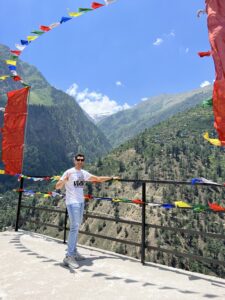
At the end of the road, where phone networks fade and silence settles like snowfall, Chitkul waits. Tucked deep in Himachal’s Kinnaur Valley, this sleepy border village transforms into a snow-laden dream between December and March. With its wooden homes, snow-capped peaks, and soul-stirring solitude, Chitkul in winter feels like you’ve stepped off the map and into a fairytale.
Best Time to Visit Chitkul in Winter
-
Winter Season: Mid-November to early March
-
Peak Snowfall: Late December to February
-
Ideal Duration: 3–5 days
-
Temperature Range: Drops to -10°C or lower at night; expect snowbound roads and biting winds
Is Chitkul Accessible in Winter?
-
Chitkul becomes difficult (and sometimes impossible) to reach after heavy snowfall, especially January–February.
-
The road from Sangla to Chitkul often closes after snowfall due to icy conditions or landslides.
-
Always check road conditions with locals or Himachal Tourism before attempting a winter trip.
Alternative Plan: Stay in Sangla (18 km before Chitkul) and make a day trip if roads permit.
Top Winter Experiences in and Around Chitkul
1. See Chitkul Under Snow
-
Snow-covered wooden houses with traditional slate roofs
-
Frozen Baspa River winding through a white valley
-
Locals wrapped in wool, their daily rhythms slowed by snow
“In Chitkul, winter isn’t a season—it’s a hush that wraps the whole world in white.”
2. Experience True Himalayan Homestay Hospitality
-
Stay with local families in rustic wooden homes
-
Enjoy steaming siddu, lentils, and butter tea by the bukhari (wood stove)
-
Learn about Kinnauri culture, even in silence
3. Snow Hikes & Photography
-
Walk along the snow-laden Baspa riverbank
-
Easy hikes to nearby frozen meadows (if conditions are safe)
-
Picture-perfect frames of the Kinnaur Kailash range
4. Starry Nights and Mountain Silence
-
With almost zero light pollution, winter nights are surreal
-
Spot constellations above the glowing snowfields
-
Carry extra layers—it’s freezing, but the silence is soul-deep
Where to Stay in Winter
Not all accommodations operate during peak winter. A few hardy homestays stay open. Contact ahead.
Options:
-
The Wanderer’s Nest
-
Zostel Chitkul (check seasonal availability)
-
Local homestays are often the best option in winter for warmth and food
What to Eat to Keep Warm
-
Siddu: Steamed wheat bread stuffed with walnuts or potatoes
-
Rajma chawal, makki ki roti, and ghee-laced lentils
-
Butter tea, herbal infusions, and locally brewed liquor (ask politely)
What to Pack for Chitkul in Winter
-
Thermal layers, fleece, waterproof down jacket
-
Woolen socks, gloves, beanie, muffler
-
Waterproof trekking boots (essential in snow)
-
Torchlight, power bank, dry snacks
-
Personal medicines, moisturizer, lip balm
-
Thermos (carry warm water or tea on walks)
Things to Keep in Mind
-
No ATMs or fuel stations in Chitkul — fill up in Sangla or Reckong Peo
-
No network or internet — switch off and slow down
-
Carry cash, not all places accept UPI in winter
-
Locals are incredibly hospitable — travel respectfully
-
Ask before photographing people or homes
-
Watch for altitude sickness (Chitkul is ~11,320 ft)
How to Reach Chitkul in Winter
-
From Shimla: 240 km (~10–12 hours) via Kufri, Rampur, Karcham
-
Last stretch from Sangla to Chitkul is prone to closure in Jan–Feb
-
If road to Chitkul is blocked, stay in Sangla and enjoy snow activities there
Why Chitkul in Winter?
- Because some places aren’t meant to be loud or fast.
- Because snow has a way of teaching you how to be still.
- Because a single morning in Chitkul, with mist rising off the river and peaks blazing in sunlight, is worth every bone-chilling night.